
What is MoveMAYnt newsletter?
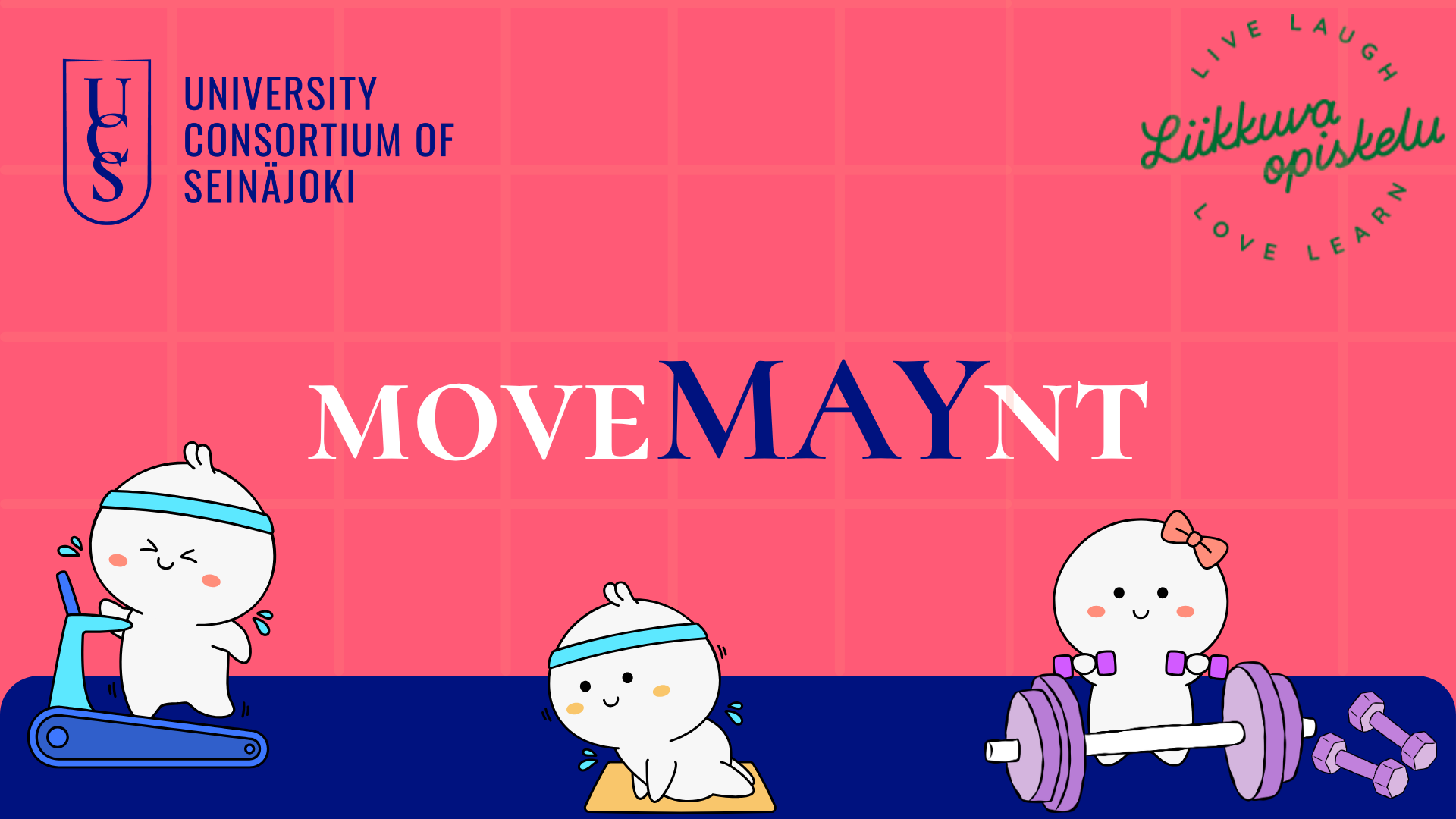
Introducing MoveMAYnt: a month dedicated to increasing physical activity
In our daily lives, be it as students, researchers, academics, entrepreneurs, movement plays a crucial role. Most of us associate exercise with discipline, guilt, or a long list of things we “should” be doing. But here’s the truth: movement is one of the most accessible, reliable, and fast‑acting tools for our wellbeing that we have.
Regular movement changes your brain chemistry in ways that helps you feel more grounded and emotionally steady. It helps you clear your mind, have better mental health overall. It helps build community and build healthier relationships.
What Movement Actually Does for Your Mind?
- It boosts dopamine and serotonin, which is responsible for your motivation and mood stabilization
- It reduces cortisol, which is your stress hormone
- It improves your sleep quality
- It helps enhances focus and working memory
- It helps regulate emotions, especially during stressful periods
And the best part? It does not have to be a 60‑minute routine or the need to stick to the New Year resolution of a gym membership! Movement exists on a spectrum. It does not have to exist in the extremes, every point on that spectrum counts. Find your sweat spot and enjoy it, while enhancing your overall wellbeing.
Why now?
To be cliché, if not now, then when?
We, at UCS, got the opportunity through the Students-on-the-Move initiative, to bring a range of movements for the students, academics and employees. The Students-on-the-Move program is dedicated to increasing physical activity and academic performance in upper secondary schools and higher education institutions. Academic performance refers to a student’s ability to work, which is linked to their academic success, well-being, and future employability.
What This Series Will Explore?
Over the next few issues, we’ll break movement into three levels:
- Micro-Movement: tiny 5-to-10-minute resets
- Structured Sessions: different types 45-to-60-minute instructor-led sessions
- Nature-bound movement: long walks, hikes, nature time
Each level supports your wellbeing differently. Tackle the level that is accessible.
A Quick Check-In
Pause for 10 seconds. How does your body feel right now? Do you feel weighed down? Restless? Tight? Energized? That awareness is the first step. Take this as a sign and make a choice – pick an activity and follow through!
Choose one intention:
- “I will take one 10‑minute walk this week.”
- “I will stretch once before bed.”
- “I will notice when my body asks for movement.”
Small is enough. Movement doesn’t have to be perfect; just present.
We will continue from here. See you next week!
Sources:
[1] Cleveland Clinic. (2025, November 3).
How exercise improves your brain’s health. Cleveland Clinic.
https://health.clevelandclinic.org/exercise-and-brain-health