
Sima: A Taste of Finnish Tradition
With Vappu just a week ago, the fun times associated with it are still lingering. Experiencing Vappu for the first time this year, I found myself enjoying Finland’s cherished traditions like the colourful balloons, and the joyful picnics. Traditional picnic food like munkki and sima really added to the experience. Sima specifically enhanced the experience as a fresh bubbly drink with a slightly sweat lingering taste. It is among my favourite drinks I’ve had the pleasure of tasting in Finland.
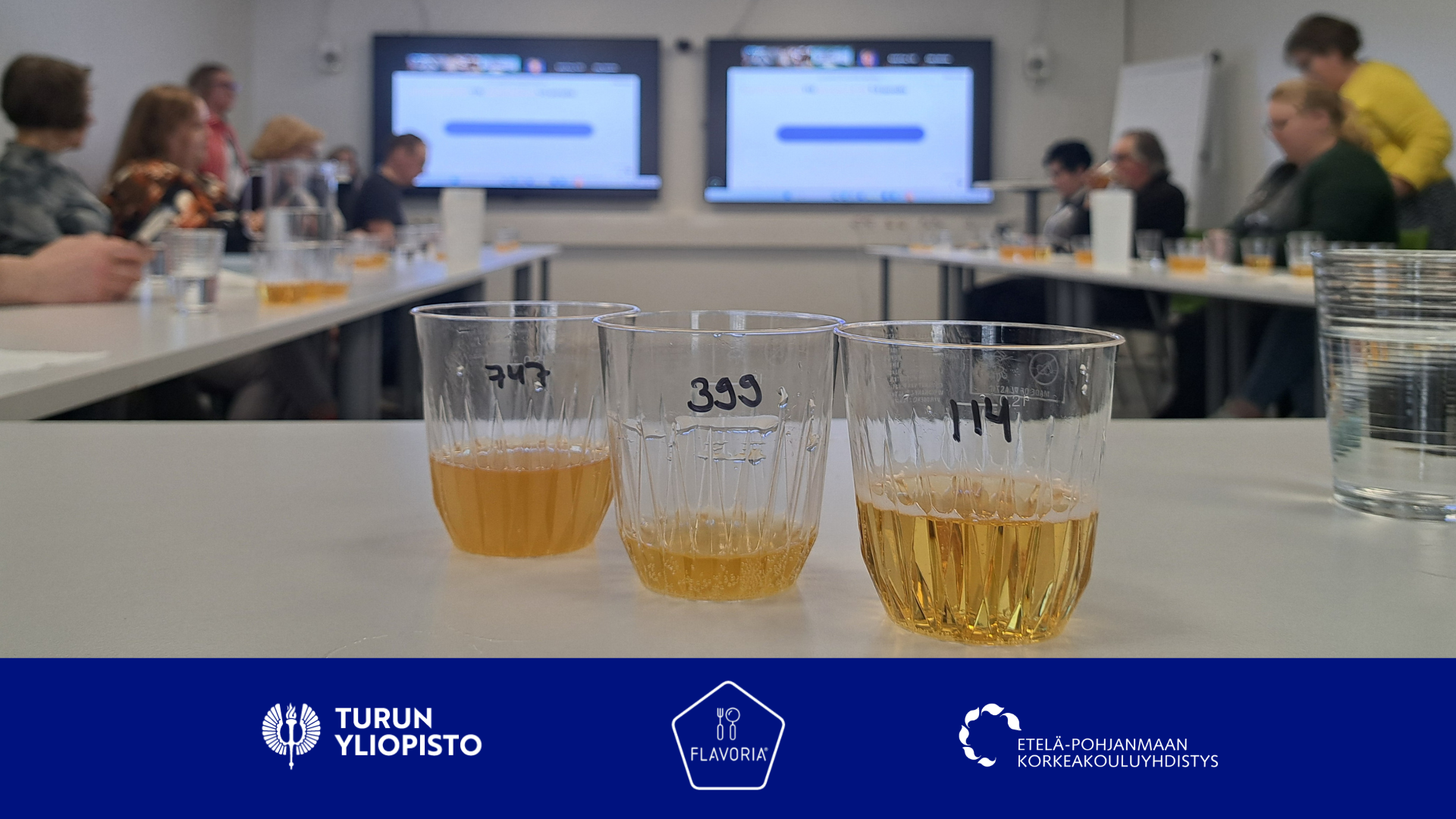
Not only did I enjoy sima on Vappu, but I also had the great opportunity of attending the scientific gastronomic food club’s discussion event surrounding sima as a UCS intern. The event started with the evening’s sensory evaluation for three samples, origins of which were unknown to the audience during the sampling, followed by a brief history of Sima and finally, the revelation and the results of the sensory evaluation.
We were presented with the three samples one at a time, which made me appreciate the differences between the three samples. We started with sample number 747 (Pirkka Parhaat sima, which was made using the traditional fermentation method). Sample 747 had a beautiful colour, sweat taste and my first taste of Sima ever. I found it intriguing and could easily understand the excitement around Sima. Then we tasted sample number 399. Sample number 399 had a darker shade but was much richer and flavorful compared to sample number 747, it provided a more rustic sensory experience and left a lasting impression. When I found out that this was a homemade sima, that too by our amazing colleague Nanna Rintala, it made perfect sense why this one felt warmer, more homely, and impactful. Clearly, I wasn’t the only one impacted, as it was rated the best of the samples that we tasted. Lastly, sample number 114, Poikain parhaat perinteinen sima. This one was beautiful and too fizzy. The colour, while beautiful, had a very clear machine manufactured look to it and the taste paled when compared to Nanna’s homemade sima. Had I tasted this one before sample number 399, I might’ve liked it but alas, it stood no chance.
As much as I enjoyed tasting the samples, it was a pleasure to learn more about the history behind Sima and the making process as well. The cultural history introduction of Sima was done by Sulevi Riukulehto, Research Director of Regional History and Cultural Heritage at the University of Helsinki’s Ruralia Institute. It starts in Egypt with honey and honey wine to Vikings, where Sima played an important part in the mythology. In the 1500s, Valpuri Eerikintytär Innamaa, a brilliant wealthy merchant and shipowner, started the export of sima from Finland. Soon, it then became a summer festival drink, that is still consumed today during Vappu. Linguistically the word “Sima” also has a rich background.
In the end, this truly was one-of-a-kind experience. I really enjoyed the tastings and the discussions that took place, it was insightful to learn about others’ interpretation of Sima and build my own impression of it.
Written by Roshni Gurnani
In the Scientific Gastronomic Food Club, the focus is on examining food, cooking, and the enjoyment of food from scientific, cultural-historical, and gastronomic perspectives. The events are held in Finnish.
Read more: Mead moved from the blood of the god Kvassir to the May Day bottle – Molecular Gastronomy