
The Fourth World Conference of Regional History Brought an International Research Community to Seinäjoki
Written by Heidi Åkerman
The Fourth World Conference of Regional History, held at the Rytmikorjaamo cultural venue in Seinäjoki on 22-24 September, brought together approximately 50 scholars from around the world. In addition to Finnish participants, researchers arrived from the Netherlands, South Africa, South Korea, Ireland, Iceland, Italy, Japan, China, Canada, Croatia, Poland, Sweden, Germany, and Zimbabwe. The conference was organized by the International Society for Regional History (ISRH) and the Seinäjoki unit of the Ruralia Institute at the University of Helsinki.
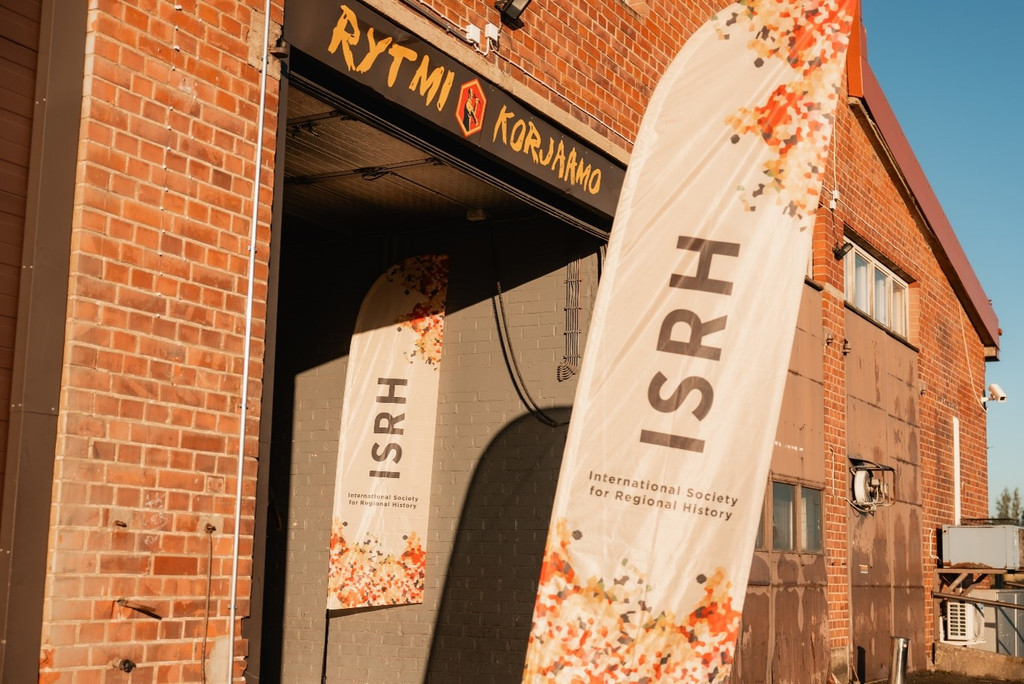
Rytmikorjaamo served as the conference venue. Photo: Taina Renkola.
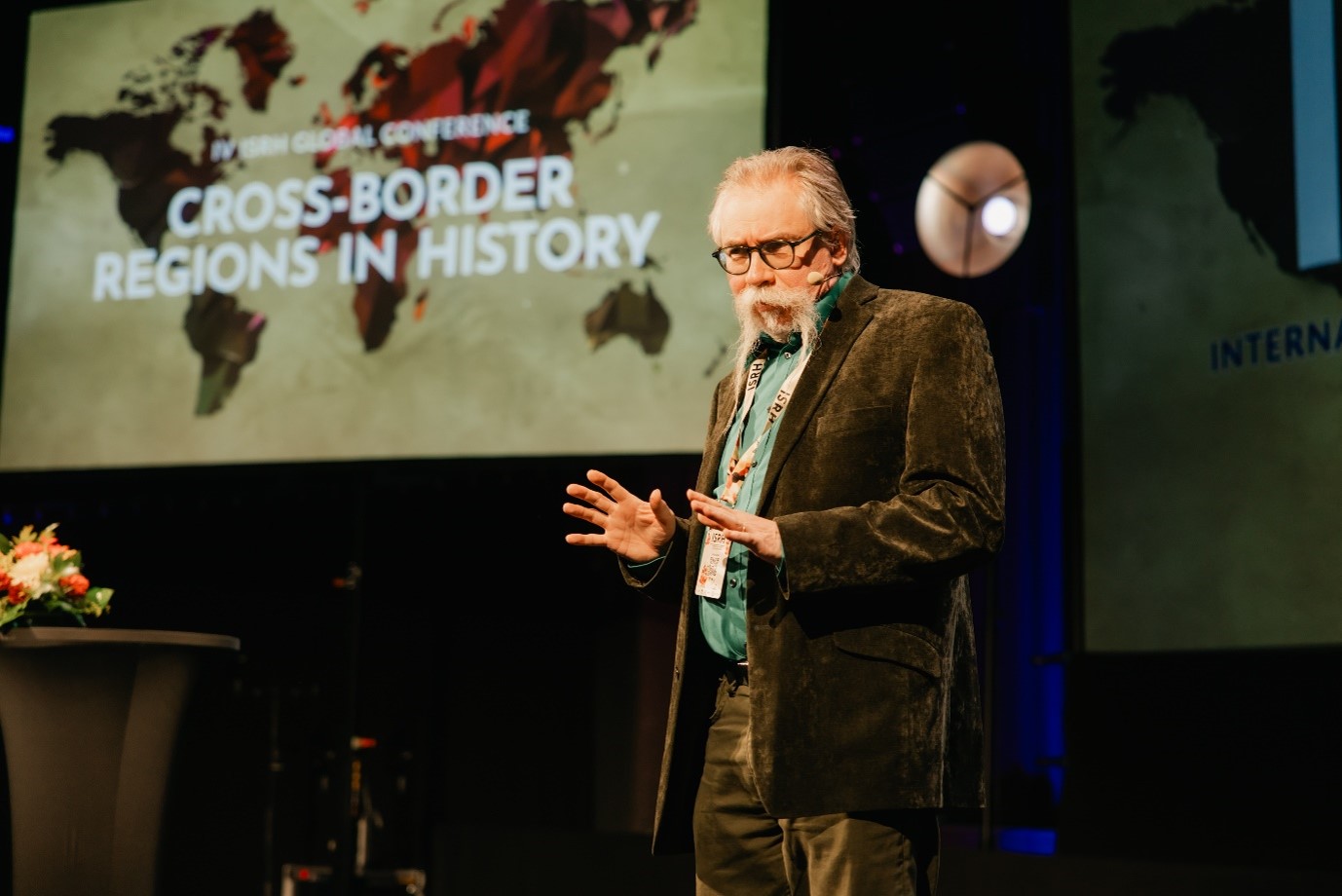
In his opening address, Ruralia Institute Research Director Sulevi Riukulehto highlighted interregional connections, networks, and the interplay between personal, regional, and global interactions as core themes of regional history research. Riukulehto raised the question of how borders emerge and who has the authority to define them. Borders are often perceived as permanent although they are ultimately human-made and maintained constructs.
As an insightful example of the artificial nature of borders, Riukulehto referred to the city of Uzhhorod. A person who lived in the city throughout the twentieth century would, without ever moving, have been a citizen of Hungary, Czechoslovakia, the Soviet Union, and Ukraine during their lifetime.
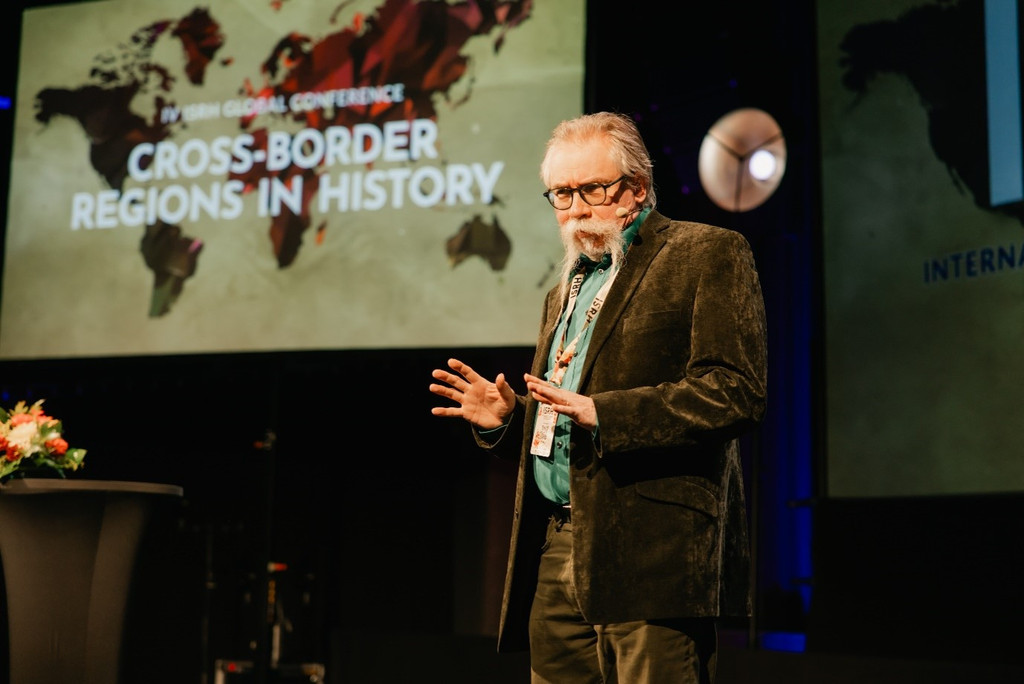
The narrative style of Sulevi Riukulehto’s opening address captivated the audience. Photo: Taina Renkola.
The conference’s extensive program offered numerous perspectives on how borders shape everyday life, identities, and societal structures across the world. Borders and their impacts were examined in a variety of historical and social contexts. Many presentations also brought attention to communities, experiences, and viewpoints that have previously remained at the margins of historical scholarship and public discourse.
The conference’s three keynote speakers explored the significance of borders as political, cultural, and social phenomena. Professor Mark Bassin of Södertörn University examined the emergence of the concept of Eurasia in Russian geopolitical thought. His presentation provided an excellent example of how regions can exist primarily in people’s minds and political imaginations.
Researcher James Hlongwana of Great Zimbabwe University discussed the impact of colonial-era borders on the identity of the Ndau people living in the border region between Zimbabwe and Mozambique. Meanwhile, Alina Kuusisto from the University of Eastern Finland explored Karelia as a remembered and lived transboundary space.
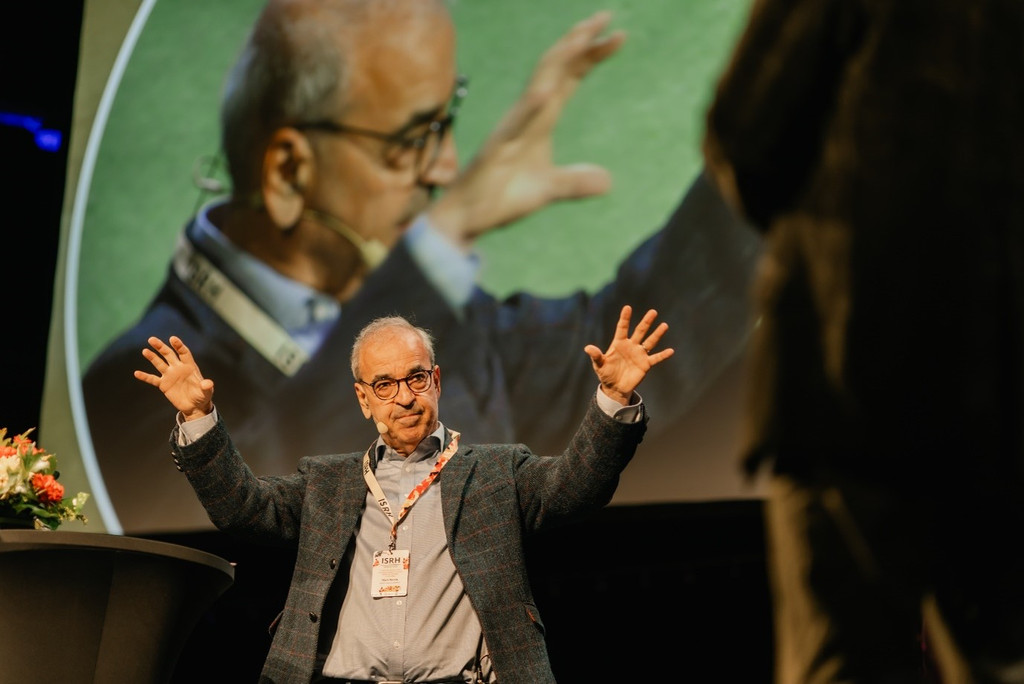
Mark Bassin delivered his presentation with remarkable enthusiasm. Photo: Taina Renkola.
Researcher Signa Daum Shanks from the University of Ottawa illustrated the discrepancy between administrative maps and reality. A straight line drawn with a ruler on paper is rarely straight in practice. The provincial boundary between Manitoba and Saskatchewan in western Canada has created legal grey areas that blur jurisdictional authority between government agencies and Indigenous people. This ambiguity continues to generate socio-economic tensions that manifest in disputes over land ownership, taxation, and the use of natural resources.
Anu Muhonen of the University of Helsinki demonstrated in her presentation on the Torne River Valley that people living on both sides of the Finnish-Swedish border share the same linguistic and cultural region. Despite the border, the inhabitants of the Torne Valley form a distinctive cultural community whose identity is based on neither Finnishness nor Swedishness alone.
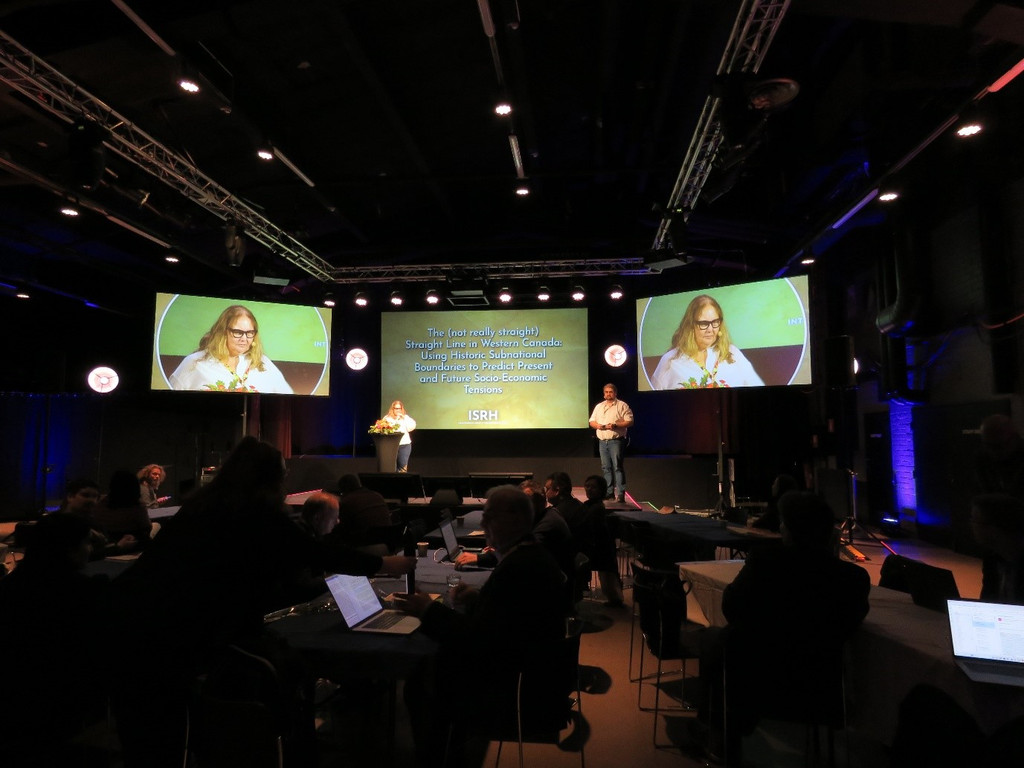
The title of Signa Daum Shanks’s presentation reflected a touch of humor. Photo: Heidi Åkerman.
Researcher Matthias Kokorsch from the University Centre of the Westfjords discussed the Cod Wars between Iceland and the United Kingdom and the challenges of defining maritime borders when fish stocks move independently of state-imposed boundaries. His presentation demonstrated how artificial human-defined borders can appear from the perspective of natural processes.
A gender studies perspective was introduced by Kongko Louis Makau from Stellenbosch University, who examined gendered power relations and the role of women in South Africa’s liberation struggle. Women turned traditional gender expectations to their advantage and successfully smuggled weapons and combatants across borders.
Bronwynn van Tonder of North-West University explored the influence of social Darwinism on indirect rule in South Africa. Van Tonder showed how ideas associated with the “survival of the fittest” doctrine informed colonial classifications, governance practices, and the segregation of populations.
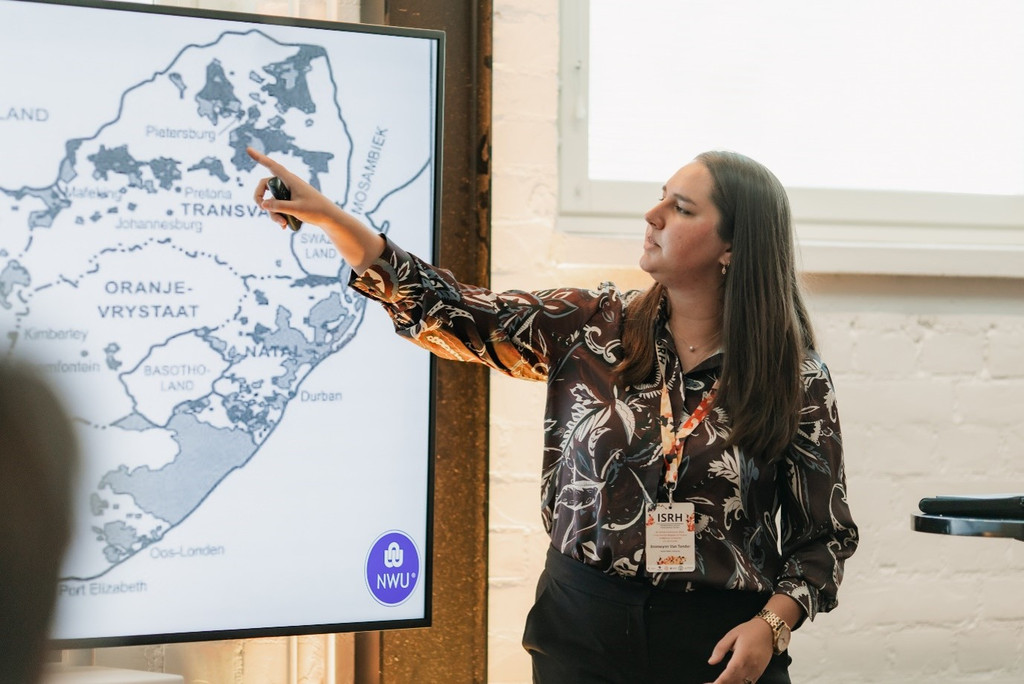
Bronwynn van Tonder and a map of South Africa. Photo: Taina Renkola.
Themes of cultural memory and migration featured prominently in several presentations. Samuli Korkalainen of the University of the Arts Helsinki examined Finnish American identity through spiritual songbooks. During the late nineteenth and early twentieth centuries, hundreds of thousands of Finns emigrated to the United States. As a result, Finnish cultural heritage and American culture began to merge, creating new cultural spaces and identities.
Independent Japanese researcher Rumi Umino approached cultural memory as an intergenerational narrative through research on her own family’s experiences in Manchuria. Markku Mattila of the Migration Institute of Finland examined the influence of cultural memory on societal attitudes by comparing the reception of Syrian refugees in 2015 and Ukrainian refugees in 2022 in South Ostrobothnia.
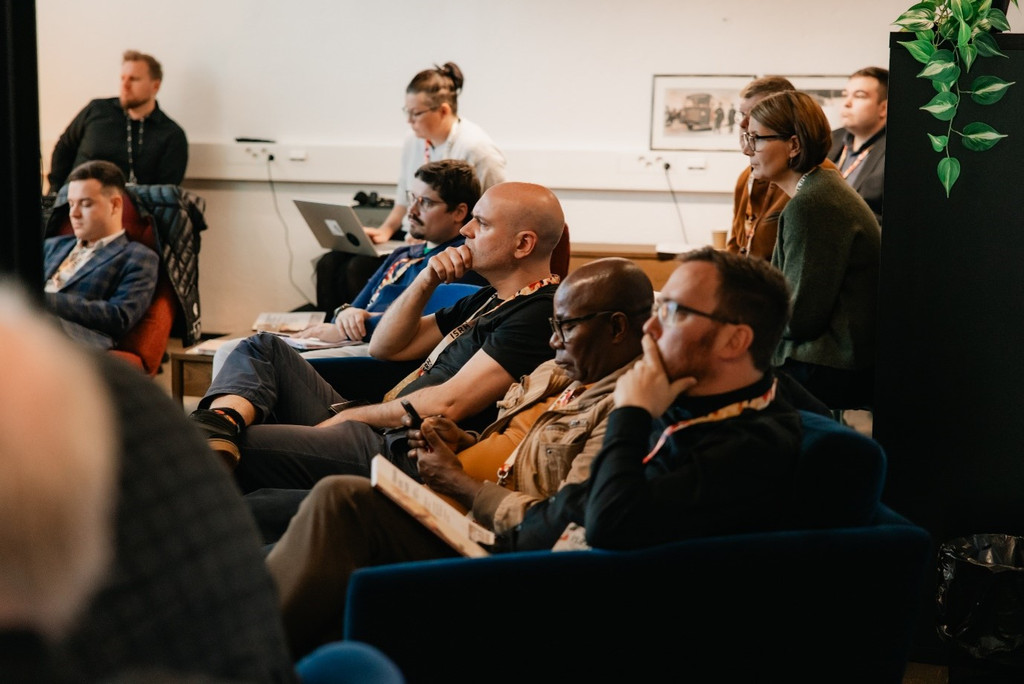
A highly focused audience of researchers. Photo: Taina Renkola.
Alongside the academic program the conference provided participants with opportunities to experience South Ostrobothnian culture. At a reception hosted at Seinäjoki City Hall, guests were welcomed by Mayor Jaakko Kiiskilä. The evening’s musical program featured South Ostrobothnian folk music performed by the Mäsä Duo, consisting of violinist Kyösti Järvelä and accordionist Lauri Kotamäki.
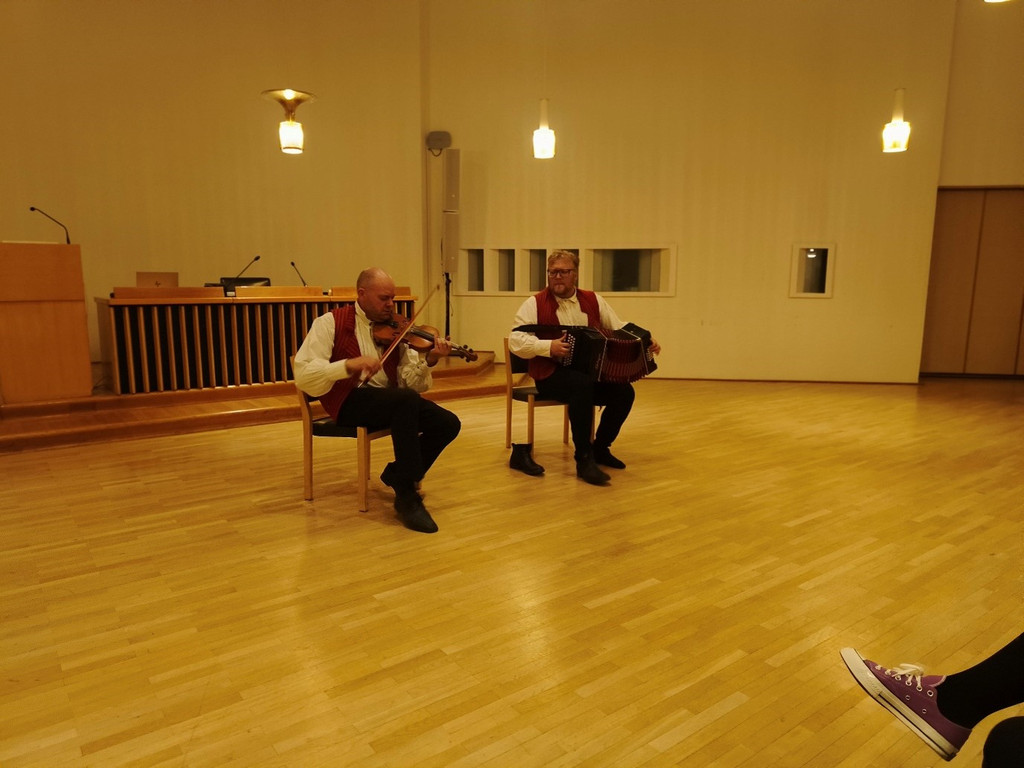
The Mäsä Duo entertained and engaged the audience at Seinäjoki City Hall. Photo: Heidi Åkerman.
Wednesday’s gala dinner at Hotel Alma culminated in a performance by kantele artist Maija Pokela. At the conclusion of the conference, participants joined a guided tour of the Aalto Centre, designed by Finnish architect Alvar Aalto.
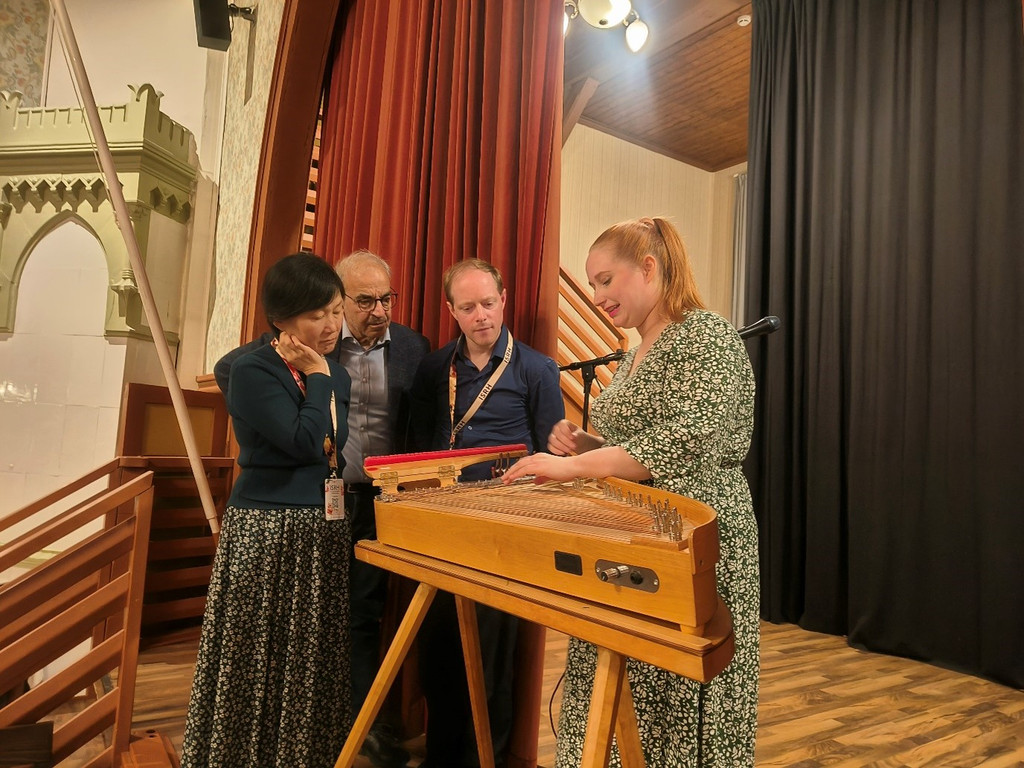
Rumi Umino (left), Mark Bassin, and Jonathan Dolley explore the kantele under the guidance of Maija Pokela. Photo: Heidi Åkerman.
Although the International Society for Regional History is still a young scholarly community, the conference demonstrated its strength as an international forum for discussion and reinforced global research networks in the field. The diverse backgrounds of the participants reflected the multidisciplinary nature of historical research. Regional history was examined from the perspectives of law, geography, linguistics, musicology, migration studies, cultural anthropology, gender studies, and political science.
The central message of the conference could be summarized in a simple idea: borders may divide, but regions connect. This same principle was evident in the encounter of different academic disciplines united by a shared research theme.
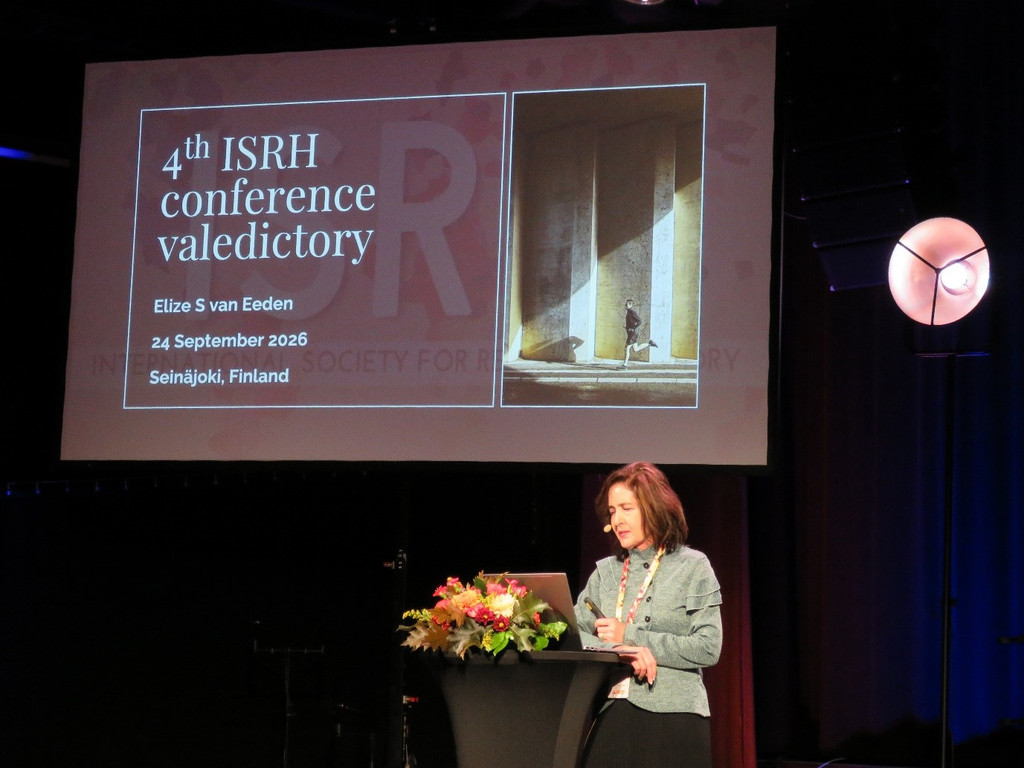
ISRH President Elize S van Eeden delivered the conference’s farewell address. Photo: Timo Suutari.